


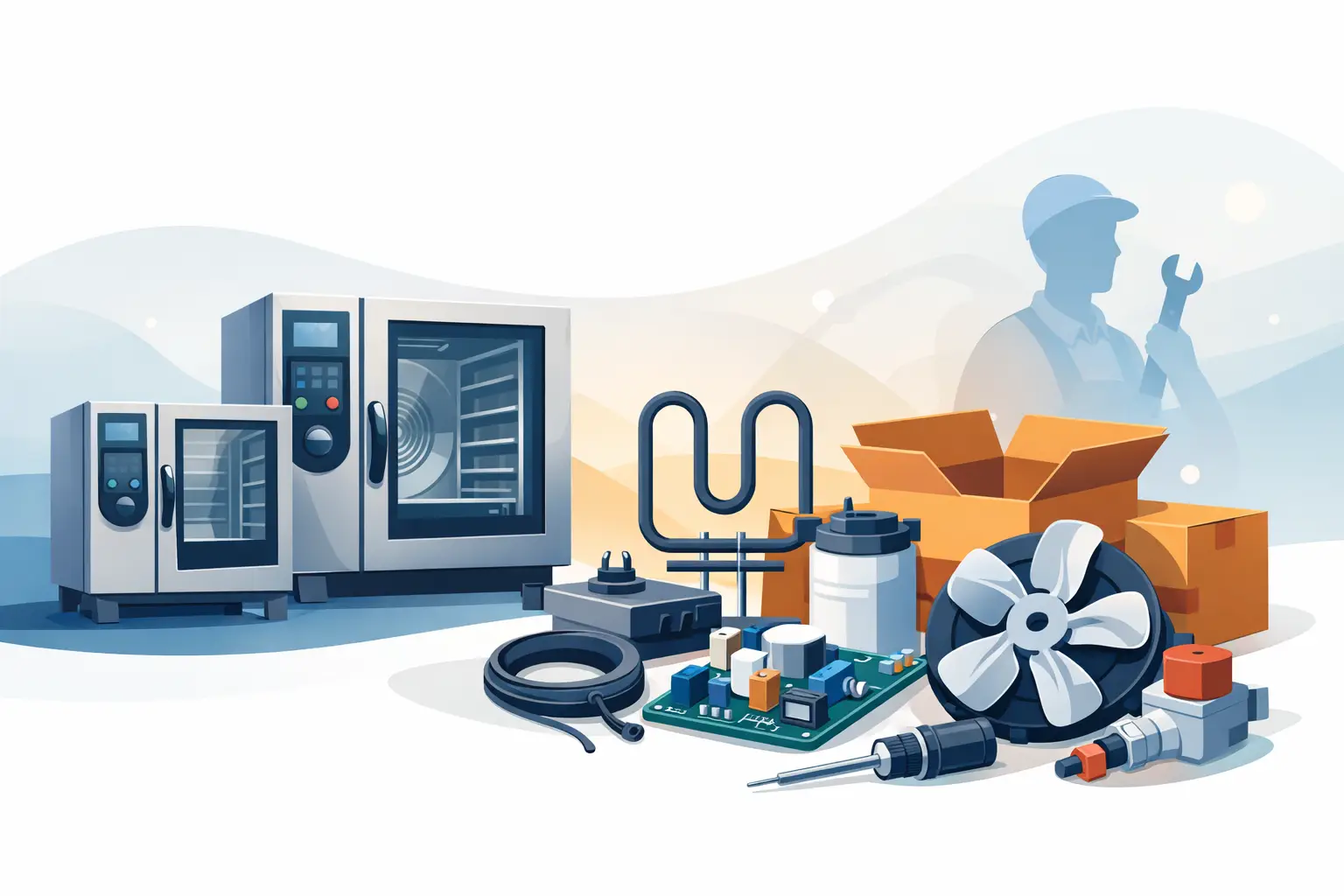
A Rational oven that drops out of service in the middle of prep does not just create an engineering issue. It slows service, affects consistency and puts pressure on every section of the kitchen. That is why buying the right rational oven spare parts matters. In a commercial environment, the difference between a genuine fit and the wrong component can be the difference between a quick fix and another callout next week.
For operators running busy restaurants, hotels, schools, care settings and production kitchens, spare parts are not a side issue. They are part of keeping output steady, protecting the life of the oven and avoiding preventable downtime. The challenge is knowing what to replace, when to replace it and how to make sure the part is correct for the model in front of you.
Rational combi ovens are precision pieces of commercial catering equipment. They are built to manage heat, steam, airflow, sensors, controls and cleaning functions in one system. When one part starts to fail, the symptom is not always obvious. Uneven cooking, slow heat-up times, poor self-clean performance, inconsistent humidity or error messages may all point to different components.
That is why buying on price alone is usually a false economy. A lower-cost part that is not suitable for the exact oven model can lead to poor performance, repeat faults or damage elsewhere in the unit. In a professional kitchen, the cost of lost trading time will usually outweigh the saving on the wrong part.
A specialist supplier understands the differences across Rational models and generations, including SCC and iCombi systems, and can help match parts properly. That matters whether you need a replacement door seal, fan motor, PCB, temperature probe, drain component or cleaning-related part.
Some spare parts wear through normal use. Others fail because of scale build-up, poor water quality, heavy cleaning cycles or simple age. In high-volume kitchens, these issues arrive faster because the oven works harder.
Door gaskets and seals are a common example. Once they begin to lose shape or split, heat and steam escape, cooking becomes less controlled and the oven has to work harder to hold temperature. That often shows up first as inconsistent results rather than total failure.
Heating elements, fan motors and motor-related components are also frequent replacement items. If airflow weakens or heating becomes uneven, the oven may still operate, but not to the standard a commercial kitchen needs. For operators relying on batch consistency, that drop in performance is enough to justify action before a full breakdown happens.
Sensors and probes are another important category. When these parts drift out of tolerance, the oven may still appear functional while delivering unreliable cooking results. In practical terms, that can mean overcooked proteins, under-finished bakery items or longer cook times across service.
Control boards and display components sit at the more technical end. These are not parts to guess with. If a PCB or control interface is at fault, proper diagnosis matters because symptoms can overlap with other issues.
Not every fault should be handled in-house. For simple wear items, such as seals, racks, handles or certain filters, replacement may be straightforward if the correct part is supplied. For electrical, petrol, steam or control-related issues, the safer and more cost-effective route is usually engineer support.
This is where many kitchens lose time. They order a part based on a symptom, fit it, and find the fault is still there. The oven then sits idle while another component is sourced. In the meantime, service has already been affected.
A better approach is to treat the fault as an operational problem, not just a parts problem. If the oven is throwing errors, tripping, failing to generate steam, heating unevenly or not completing cleaning cycles correctly, diagnosis should come first. The right part only saves time when it solves the actual fault.
The first step is accurate model identification. Rational ovens have multiple model ranges, capacities and production years, and parts compatibility is not universal. Even parts that look similar may vary by specification.
Before ordering, it helps to have the oven serial number, model details and a clear description of the fault. Photos of the data plate or failed component can also speed up identification. For trade buyers managing several sites, keeping an internal asset list with serial numbers is worth the effort. It shortens lead times and reduces ordering mistakes when breakdowns happen.
It also pays to think beyond the failed item. If a worn seal has caused excess heat loss, or poor water treatment has contributed to component wear, replacing one part may not be enough to restore reliable performance. A good supplier will flag that. The goal is not just to get the oven switched back on. It is to get it back to stable service.
Commercial buyers rarely have the luxury of waiting. If an oven is central to service, every delayed day can mean menu restrictions, added labour pressure or lost revenue. That is why stock depth matters as much as technical knowledge.
When sourcing rational oven spare parts, availability should be part of the decision. A supplier with genuine stockholding and product knowledge can often move far faster than a generalist seller. That is especially important for operators with one primary combi oven on site, where there is little redundancy.
There is also a wider cost calculation. Buying the cheapest part from an unknown source can look sensible at purchase stage, but if it arrives late, proves incorrect or fails early, the overall cost rises quickly. Kitchens do not measure spare parts value by invoice price alone. They measure it by how fast the oven returns to reliable output.
Parts planning should reflect the age and role of the oven. A newer unit under regular service may only need occasional wear-item replacement. An older machine, particularly one in a hard-working site, may need a more active maintenance plan.
That does not mean older Rational ovens are poor investments. Many remain excellent assets if they have been properly maintained and supported with the right parts. In fact, for buyers using professionally refurbished ovens, parts availability and technical backup are central to long-term value.
The key is honesty about condition and usage. If an oven is running all day in a high-output operation, it makes sense to replace certain wear components before they fail outright. Planned maintenance is usually cheaper than emergency downtime. On the other hand, not every older oven needs major spend. It depends on service history, current performance and how critical the unit is to the kitchen.
This is a specialist category, so supplier choice matters. Commercial buyers should look for more than a product listing. Technical understanding, model knowledge, stock access and aftersales support are what reduce risk.
A supplier focused on Rational equipment is better placed to advise whether a part is suitable, whether another issue may be causing the fault and whether an engineer visit makes more sense than a blind order. That practical guidance is valuable because it saves kitchens from wasting time on trial-and-error repairs.
Island Catering Equipment Co. supports professional kitchens with specialist Rational knowledge, strong stock access and service support that goes beyond the initial sale. For operators who need more than a boxed part, that joined-up approach makes a real difference.
Spare parts are easy to think of as reactive purchases. In practice, they are part of performance management. A combi oven that seals properly, heats accurately, generates steam correctly and completes cleaning cycles as intended will produce better food, with less stress on the team and less disruption to service.
That is why the best buying decisions are usually the least dramatic ones. The correct part, identified properly, supplied quickly and fitted at the right time, keeps the kitchen moving. If your Rational oven is showing signs of wear or inconsistent performance, acting early is often the simplest way to protect output, control costs and avoid a far more expensive stoppage later.





No account yet?
Create an Account