

A combi oven failing at 11.30am can wipe out lunch service, push ticket times through the roof and leave staff trying to patch together a menu with whatever still works. For any professional kitchen, learning how to reduce kitchen downtime is not a nice-to-have. It is basic operational protection.
Downtime costs more than the engineer invoice. It hits labour efficiency, food quality, customer experience and revenue in the same shift. In larger sites such as hotels, schools, care settings and contract catering operations, a single equipment failure can affect hundreds of covers. The kitchens that keep moving are not always the ones with the biggest budgets. They are usually the ones with the best equipment planning, the clearest maintenance routines and the fastest route to support when something goes wrong.
A lot of downtime begins long before a breakdown. It starts at the buying stage, when equipment is selected on ticket price alone rather than output, duty cycle and serviceability.
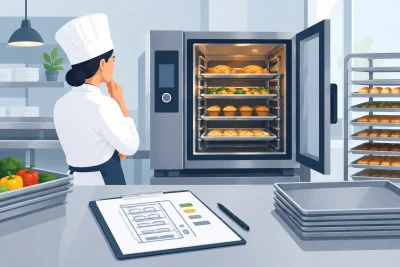
Commercial kitchens put serious strain on ovens, refrigeration, warewashing and extraction. A unit that looks cost-effective on day one can become expensive very quickly if it is under-specified for the volume you are asking it to handle. A combi oven running flat out every day with no headroom, for example, is more likely to suffer performance issues than one properly matched to service demand.
This is where trade buyers need to think commercially rather than emotionally. New equipment can make sense where usage is relentless, where warranty cover matters, or where the latest controls and cleaning systems will save staff hours. Professionally refurbished equipment can also be a strong option if it has been restored and tested properly, especially when capital budgets are tight but reliability still matters. The key point is not whether the unit is new or used. It is whether it has been sourced from a specialist who understands the equipment, can verify condition and can support it after installation.
The simplest answer to how to reduce kitchen downtime is often the one kitchens neglect first: routine maintenance. Not major servicing, but the small checks that stop minor faults turning into service-stopping failures.
In busy sites, cleaning and shutdown procedures are often rushed. Filters do not get checked, spray arms clog up, door seals wear unnoticed, limescale builds, and staff keep using equipment that is already showing signs of strain. The problem is not only damage. It is delayed action. Kitchens frequently ignore early warnings until the machine finally stops.
A practical maintenance routine should sit inside the daily and weekly schedule, not in somebody’s head. Staff should know what good operating condition looks like and what needs reporting straight away. On combi ovens, that may mean checking wash systems, seals, probes and drainage. On refrigeration, it means monitoring temperature consistency, condenser cleanliness and door closure. On dishwashers, it means watching rinse performance, chemical dosing and scale build-up.
These checks do not need to be complicated, but they do need ownership. If everyone is responsible, nobody is responsible.
A surprising amount of downtime is caused by misuse rather than component failure. Incorrect cleaning chemicals, blocked drains, forced doors, overloaded shelves and poor shutdown practice all shorten equipment life.
Training should focus on the basics that affect uptime: correct operation, correct cleaning and correct reporting. If staff know when an error code matters, when a unit is heating slowly, or when a fan sounds wrong, you gain time to act before service is interrupted.
This is particularly important with advanced cooking systems. Modern combi ovens are built for consistency and output, but only if they are used properly. A well-trained team gets more value from the equipment and puts less strain on it.
Waiting until a fault stops production is the most expensive maintenance strategy a kitchen can choose. Planned servicing costs money, but unplanned downtime usually costs more.
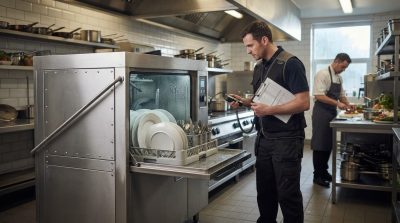
For high-use equipment, scheduled servicing should be based on workload, not just calendar dates. A site doing heavy daily output may need closer attention than a kitchen with lighter use, even if both have the same oven model. Petrol equipment, warewashing systems and refrigeration all benefit from regular professional checks, especially where safety compliance and food holding standards are involved.
A good service partner does more than replace failed parts. They identify wear, calibration drift and efficiency problems before they escalate. That means fewer emergency callouts and a better chance of keeping service uninterrupted.
There is a trade-off here. Some operators push servicing back to save short-term cost, especially when margins are tight. That can work for a while, but it often leads to larger repair bills, more disruption and shorter equipment life. If a unit is business-critical, proactive servicing is usually the cheaper decision over time.
Not every kitchen needs shelves full of components, but every kitchen should think about parts availability. If a site depends heavily on one or two key appliances, delays in sourcing common parts can turn a manageable repair into days of lost output.
The answer is not to stock everything. It is to identify the parts most likely to fail or wear and decide what is worth keeping on hand. This depends on the age of the equipment, the brand, the volume of use and how quickly parts can normally be sourced.
For some sites, it makes sense to hold items such as door seals, filters, probes or other service consumables. For others, the better approach is simply to buy equipment from a supplier with strong parts access and technical knowledge. Either way, spare parts planning shortens recovery time when faults happen.
If one appliance going down brings the whole service close to a stop, the layout and equipment strategy may need attention.
This is common in compact kitchens where one combi oven handles most of the cooking, or where a single dishwasher or fridge is carrying too much operational risk. Full redundancy is not realistic for every site, but some level of contingency planning usually is.
That might mean splitting production across more than one unit, retaining a dependable backup appliance, or choosing equipment that can cover multiple cooking methods if another station fails. It may also mean reassessing the menu. A menu built around one critical piece of equipment is efficient when everything works, but vulnerable when it does not.
The right balance depends on the business model. A quick-service site may prioritise duplicate capacity on its highest-volume line. A care home or school may place more value on reliability and support response because service cannot simply be paused. The point is to know where your single points of failure are before they fail.
One of the biggest differences between a smooth recovery and prolonged downtime is who supplied the machine in the first place. If your supplier only shifts boxes, you are left chasing engineers, parts and answers when the kitchen is already under pressure.
Commercial buyers should look for specialist support, not just stock availability. That means product knowledge, realistic advice before purchase, access to parts, engineering backup and servicing capability. It also means dealing with people who understand what a breakdown does to a live kitchen operation.
This is especially important with premium brands and technically advanced appliances. Rational ovens, for example, are built to deliver serious performance, but they should be installed, maintained and supported properly to protect that performance over the long term. Working with a specialist supplier reduces guesswork and gives operators a clearer route from fault to fix.
If the same issues keep happening, the kitchen needs better data rather than more firefighting.
Track which units fail most often, when they fail, what the cause was and how long recovery took. You do not need a complex software system. A simple service log can reveal whether a machine is reaching the end of its economical life, whether staff misuse is recurring, or whether the real issue is inconsistent maintenance.
This also helps with replacement planning. Sometimes repeated repair costs justify replacing a unit sooner. Sometimes the equipment is sound, but site conditions such as poor water quality, ventilation issues or cleaning practice are creating unnecessary faults. Without records, those patterns are easy to miss.
The best way to reduce downtime is not always to buy the most expensive equipment across the board. It is to spend where failure would hurt most and to back that investment up with proper servicing and support.
For one kitchen, that may mean investing in a new primary oven and choosing professionally refurbished secondary equipment to control capital cost. For another, it may mean replacing ageing refrigeration before summer demand exposes a weakness. Commercially, the smart move is to protect the equipment categories that carry the most service risk and revenue impact.
That is why the strongest operators treat uptime as part of procurement, not just maintenance. Buying well, servicing properly and acting early on faults is usually cheaper than managing repeated disruption.
If you want fewer breakdowns, faster fixes and more stable service, start with the assets your kitchen cannot afford to lose. The rest of the plan becomes much clearer from there.



No account yet?
Create an Account