

A busy service exposes every weakness in a kitchen. If your current set-up struggles with consistency, recovery times or labour pressure, a kitchen Rational oven is often the piece of equipment that changes day-to-day performance fastest. In commercial operations, the right combi oven does more than cook – it helps standardise output, reduce waste, speed up training and make better use of available space.
For many operators, the question is not whether a Rational belongs in the kitchen. It is which model, size and buying route make commercial sense. That depends on covers, menu mix, available utilities, service pattern and budget.
Rational ovens are widely used because they solve several operational problems at once. They combine convection, steam and combi cooking in one unit, which gives chefs and kitchen managers far more control over temperature, humidity and finish. That matters when you are producing different dishes at volume and still need a repeatable result.
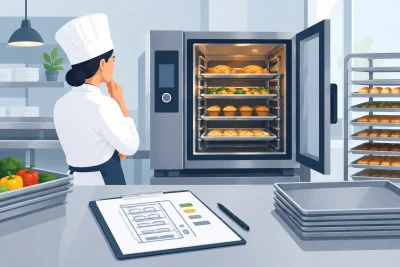
In practical terms, a kitchen Rational oven can roast meats evenly, regenerate plated meals, steam vegetables, bake pastries and handle overnight cooking programmes without needing separate specialist appliances for each task. For sites where kitchen footprint is limited, that can release valuable room for prep, refrigeration or pass space.
The labour benefit is just as important. A combi oven with programmable settings reduces reliance on individual judgement for every cook cycle. In kitchens with mixed skill levels, staff turnover or multiple shifts, that consistency is a commercial advantage rather than a convenience.
The right unit starts with output, not ambition. It is easy to overbuy capacity and tie up capital in an oven that rarely runs at full use. It is also common to under-spec and end up with production bottlenecks during the busiest periods.
A restaurant with a focused menu and moderate covers may be well served by a smaller countertop model. A hotel, school, care home or production kitchen will usually need a larger floor-standing unit capable of handling bulk regeneration and batch cooking across service windows. Bakeries and multi-site operations may also place greater value on tray capacity, precise climate control and repeat programme storage.
Utility supply matters as well. Electric models are often preferred where installation flexibility is a priority, while petrol can make sense for some sites looking at energy profile and existing infrastructure. Water quality should also be part of the decision early on. Limescale, poor filtration and neglected maintenance shorten component life and affect performance, particularly in hard water areas.
Before you buy, it is worth being clear on four operational points: the maximum covers you need to serve, the products you cook most often, whether the oven will be used for regeneration as well as fresh cookery, and who will maintain it after installation. Those answers usually narrow the field quickly.
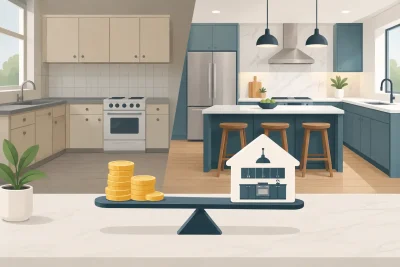
This is where many buyers need a realistic commercial view. A new Rational oven gives you the latest interface, current-generation features and manufacturer-backed peace of mind. For flagship sites, heavy-volume kitchens or operators standardising equipment across multiple locations, buying new can be the right long-term decision.
A professionally refurbished unit, however, can offer excellent value if the machine has been restored properly, tested thoroughly and sold by a specialist that understands the product beyond the sale. For many restaurants, pubs, schools and independent catering businesses, a used Rational opens access to premium cooking technology without the full capital cost of a brand-new model.
The difference comes down to refurbishment standard. A low-priced used oven with poor component history or limited testing can become expensive very quickly once faults emerge. A quality refurbished oven should be inspected carefully, restored by trained technicians and run through proper checks before dispatch. That process is what protects the saving.
For buyers balancing performance with budget, this is often the most sensible route. You retain the core advantages of a Rational system while keeping more capital available for extraction, refrigeration, warewashing or front-of-house investment.
Buying the right model is only one part of the equation. How the oven is installed, maintained and used will determine whether it delivers consistent service over time.
Training is often overlooked. Even experienced chefs do not always use a combi oven to its full potential. If teams rely on it only for basic roasting, they miss much of the return on investment. Programming standard cook cycles, understanding humidity control and using the correct rack loading all improve throughput and consistency.
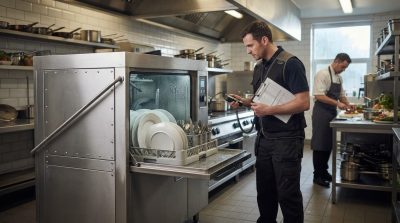
Cleaning matters just as much. Grease build-up, blocked drains and neglected wash routines affect reliability and food quality. A kitchen Rational oven is designed for hard commercial use, but no oven performs well if routine care is ignored. Automatic cleaning systems help, though they are not a substitute for proper daily practice.
Service support is another major factor. Commercial kitchens do not buy ovens purely on specification. They buy on uptime. Fast access to engineers, spare parts and technical support can be the difference between a minor interruption and a costly service failure. That is why specialist supply has real value, particularly for operators with little room for downtime.
The most common error is choosing on purchase price alone. A cheaper unit that is the wrong size, lacks the features your menu requires or comes without credible support is rarely a bargain. Total cost includes energy use, cleaning consumables, maintenance, staff efficiency and the impact of downtime.
Another mistake is ignoring workflow. Even an excellent oven can become awkward if loading direction, stand height, adjacent prep space or extraction requirements have not been thought through. The oven needs to fit the kitchen, not just the equipment list.
There is also a tendency to buy for occasional peak demand rather than normal operating reality. If Christmas, banqueting season or one weekly event drives the entire specification, you may end up overspending for capacity that sits idle most of the year. In some businesses that is justified. In others, better production planning is the smarter answer.
Some sites see an immediate benefit. High-volume restaurants gain tighter consistency during service. Hotels and event venues improve batch cooking and regeneration. Schools, hospitals and care settings benefit from dependable output and easier menu standardisation. Bakeries can make good use of controlled climate settings and repeatable programmes.
It is also a strong option where labour is tight. If skilled chefs are difficult to recruit or retain, programmable combi cooking helps maintain standards across shifts. That does not replace kitchen management, but it reduces variation and makes training easier.
Operators with older equipment often see the clearest return. Replacing several tired appliances with one well-specified combi oven can improve speed, reduce energy waste and simplify production. The exact payback period depends on volume and use, but the operational gain is usually visible very quickly.
A Rational oven is not a casual purchase. Commercial buyers need accurate advice on capacity, utility requirements, condition, installation and aftersales support. That is why specialist supply matters. A supplier focused on Rational equipment can usually guide you more accurately than a generalist seller moving a broad range of stock without the same technical depth.
That is especially true if you are considering a refurbished model. You need confidence in how the oven has been assessed, what work has been carried out and what support is available afterwards. Island Catering Equipment Co. operates in this space because buyers want more than a box delivered to site. They want the right machine, properly prepared, with technical backing if issues arise later.
For many professional kitchens, the best buying decision sits between extremes. It is not always the newest model with every feature, and it is not the cheapest used unit available. It is the oven that matches your output, your team and your budget, with support behind it when service is on the line.
If you are planning your next equipment purchase, think beyond the list price. The right kitchen Rational oven should make service calmer, output more consistent and the kitchen easier to run every day.

No account yet?
Create an Account