



What if the one piece of equipment you rely on for every exquisite dish suddenly fails during the peak of a 100-cover wedding breakfast? For any chef crafting bespoke menus on the Isle of Wight, the gas range and gas oven are more than just tools; they’re the engine of culinary excellence. You’ve likely felt the frustration of inconsistent temperatures or the sting of a 15% rise in utility bills due to aging, inefficient burners. We believe your kitchen should be a place of joy and creativity, not a source of technical anxiety during a high-pressure service.
This 2026 guide reveals how to select high-performance equipment that meets the latest UK Gas Safe standards and delivers the artisanal results your guests expect. You’ll learn the maintenance secrets that extend the life of your appliances to a full 10 years while significantly lowering your daily operational costs. We’ll walk you through the essential steps to optimize your setup, ensuring your kitchen remains a safe, reliable, and sophisticated space for creating lasting memories through food.
In the high-stakes environment of a professional kitchen, the gas range and gas oven serves as the heartbeat of every service. Unlike domestic models designed for occasional use, a commercial unit is built to withstand 12 to 16 hours of continuous operation daily. These workhorses feature heavy-duty cast iron grates and 304-grade stainless steel bodies that resist the corrosive effects of salt and acids. For a chef, the artisanal advantage lies in the blue flame. It provides immediate visual feedback and granular thermal control that electric elements simply cannot replicate. When you’re searing local Isle of Wight beef or reducing a delicate seasonal jus, that split-second adjustment is the difference between perfection and a ruined dish.
The importance of thermal mass in a professional oven cavity is often overlooked. High-performance ovens utilize thick-gauge steel or specialized linings to retain heat. This ensures that when the door opens during a busy Saturday night service, the internal temperature doesn’t plummet. According to 2024 industry benchmarks, a quality commercial oven recovers its set temperature 40% faster than a residential equivalent. This stability dictates your menu’s flow, allowing for consistent results across every exquisite plate sent to the pass.
Service speed relies on instant heat response. Gas burners reach full temperature immediately, whereas electric coils often require a 3-minute lead time to stabilize. In high-pressure environments, the simplicity of gas is a virtue. It lacks the complex circuit boards that often fail under extreme heat or humidity. Reliability is paramount when you’re responsible for a wedding breakfast or a corporate gala. For venues in remote locations or heritage sites across the island, the choice between natural gas and LPG is vital. LPG offers a versatile solution for bespoke outdoor events where a permanent mains connection isn’t available, ensuring the experience remains seamless regardless of the setting.
The heartbeat of any high-volume kitchen is the gas range and gas oven. It’s where the alchemy of fresh ingredients meets the precision of controlled heat. When you’re managing a 150-cover wedding breakfast or a fast-paced corporate lunch, the technical specs of your commercial cooking equipment dictate the rhythm of your service. High-output environments demand burners that deliver between 30,000 and 35,000 BTUs per hour. This level of power ensures rapid recovery times, allowing your team to sear locally sourced sea bass or boil large stock pots without the temperature drops that compromise texture and flavor.
Configuration is equally vital for operational fluidity. While a 4-burner unit suits a compact cafe, a 10-burner powerhouse provides the versatility required for complex, multi-course menus. This allows your brigade to dedicate space for long-simmering reductions while maintaining open flames for high-heat sautéing. Even heat distribution across the oven base is non-negotiable for large-scale roasting. A variance of even a few degrees can lead to inconsistent results when finishing bespoke meat dishes for a full dining room. Modern units now achieve a 98% heat consistency across the oven floor, ensuring every plate meets your exacting standards.
The best burners offer a dual-purpose design. You need high-intensity flames for rapid boiling, but the ability to drop to a true low-simmer is what protects delicate sauces from breaking. Heavy-duty cast iron grates are essential; they retain heat and provide a stable surface for various pan sizes. Modern units often feature individual pilot lights for each burner to save energy during prep gaps. Removable burner heads and drip trays that slide out effortlessly make deep cleaning a 10-minute task rather than a chore. Precision control knobs that respond to the slightest touch are vital for artisanal cooking where every degree of heat matters.
Choosing between a static and fan-assisted gas range and gas oven depends on your specific culinary focus. Static ovens are often preferred by pastry chefs for their gentle heat, while fan-assisted models ensure rapid, even cooking for high-volume roasting. Gastronorm compatibility, specifically GN 2/1 sizing, is essential for professional workflows. It allows your chefs to move trays directly from the prep fridge to the oven without transferring contents, saving precious minutes during peak service. High-grade mineral wool insulation is a 2026 industry standard. It keeps the heat where it belongs, inside the cavity, which improves energy efficiency and maintains a more comfortable ambient temperature for your kitchen team. If you’re looking to refine your kitchen’s capabilities, you might find it helpful to view our curated selection of high-performance ranges.
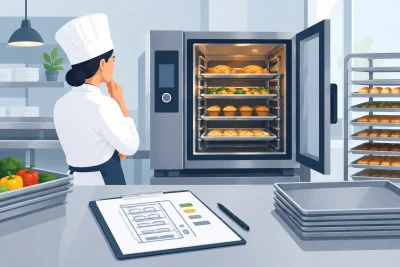
While the classic gas range and gas oven remain the heart of many Island kitchens, the demands of modern hospitality often require a more versatile approach. High-volume events and bespoke wedding menus demand a level of precision that manual dials sometimes struggle to match. This is where the Rational iCombi Pro enters the conversation. It isn’t just an oven; it’s a multi-functional tool that redefines kitchen footprints. A single 6-grid combi unit can often replace multiple steamers and convection ovens, reclaiming valuable floor space in cramped coastal kitchens.
Consistency is the hallmark of an exquisite dining experience. Traditional gas ovens can vary in temperature by 10 or 15 degrees depending on the rack position. In contrast, intelligent sensors in a combi oven monitor the climate every second. This technology reduces food shrinkage by up to 20% compared to traditional roasting methods. For a chef working with premium Isle of Wight beef or local seafood, this increased yield directly impacts the bottom line while preserving the delicate textures our guests expect.
Modern kitchens have moved beyond simple dry heat. Combination cooking merges steam and convection to lock in moisture while achieving a crisp finish. You can choose automated cooking paths for high-pressure service or maintain manual control for artisanal experiments. Energy efficiency is another major factor. The iCombi Pro uses approximately 18% less energy than traditional gas models, a vital consideration for sustainable business operations in 2026.
Rarely is it a choice of one or the other. Most sophisticated dining venues find success in a hybrid model. Pairing a sturdy 6-burner gas range and gas oven with a combi unit offers the ultimate flexibility. You can sear local scallops on the range while the combi handles a perfectly timed steam of seasonal vegetables. This setup ensures your kitchen centre operates at maximum throughput without sacrificing the bespoke quality of each plate. It allows for simultaneous techniques, from slow-roasting to rapid finishing, creating a seamless flow from prep to pass. Key benefits of this pairing include:
Organizing your kitchen around these two pillars creates a safe pair of hands for any event. It balances the artisanal soul of traditional cooking with the rigorous standards of modern culinary technology.

Excellence in an Isle of Wight kitchen begins with a foundation of safety. Your gas range and gas oven are the workhorses of the line, but they require meticulous care to remain compliant and efficient. Legal compliance isn’t optional. Under the Gas Safety (Installation and Use) Regulations 1998, every installation, service, and repair must be performed by a Gas Safe registered engineer. This ensures your equipment operates within the specific pressure parameters required for peak performance and prevents hazardous leaks.
Ventilation is equally critical to your operational flow. British Standard BS 6173 requires a gas interlock system in most modern professional kitchens. This safety mechanism cuts the gas supply if the extraction fans fail, preventing the dangerous buildup of carbon dioxide and nitrogen dioxide. Maintaining the flow of a busy service also means having immediate access to catering equipment spare parts UK. Small components like a worn door seal or a flickering pilot light can disrupt the exquisite consistency your guests expect if they aren’t replaced promptly.
Annual gas safety inspections are a non-negotiable part of the hospitality calendar. A CP42 commercial catering gas safety certificate proves your kitchen meets current standards. It’s vital to install carbon monoxide monitors to protect your team during long shifts. Staff training must include clear emergency shut-off procedures; every chef should know the location of the main isolation valve by heart to ensure a safe, artisanal environment.
A bespoke PPM contract often reduces long-term costs by 20% to 30% compared to reactive emergency call-outs. Technicians check the integrity of thermocouples and burners to ensure efficient heat distribution. This proactive care preserves the provenance of your ingredients by providing stable, reliable cooking temperatures. Regular professional care extends the life of your gas range and gas oven, protecting your capital investment for years to come.
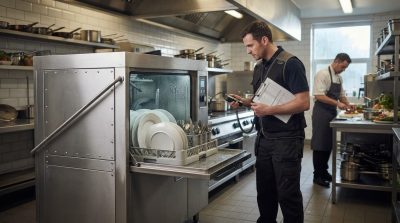
Cleanliness is the final pillar of longevity. Follow this rigorous schedule to keep your equipment in peak condition:
Ensure your kitchen remains a safe, creative sanctuary for your culinary team. Contact Island Catering for expert advice on maintaining your professional equipment to the highest standards.
Choosing a gas range and gas oven defines the heartbeat of your professional kitchen. While the allure of brand-new machinery is undeniable, the financial case for reconditioned commercial catering equipment is increasingly compelling for modern operators. For many independent restaurateurs, opting for refurbished units can reduce initial capital expenditure by up to 50% compared to buying new. This significant saving allows for a more generous allocation of funds toward exquisite seasonal ingredients or bespoke front-of-house finishes that elevate the guest experience. We curate a selection of industry leaders, from the rugged reliability of Blue Seal to the refined precision of Lincat, ensuring your kitchen operates with the grace and efficiency our Isle of Wight heritage demands.
Every gas range and gas oven that enters our workshop undergoes a rigorous transformation to meet the Island Catering standard. Our engineers perform deep steam cleaning and meticulous component testing, replacing worn seals or thermocouples with genuine manufacturer parts. Safety validation remains our top priority; we ensure every unit meets the stringent Gas Safe standards of 2026. This circular equipment solution offers several advantages:
Reliability is the cornerstone of a successful event. We don’t just supply hardware; we provide a safe pair of hands for your culinary ambitions. Our team manages nationwide delivery and professional installation, ensuring your equipment is calibrated for peak performance the moment it’s connected. We maintain a meticulous inventory of over 5,000 spare parts, providing immediate support to keep your service seamless and stress-free.
Whether you’re planning a grand wedding or a boutique corporate function, our bespoke kitchen consultations help you select the exact configuration your menu requires. We understand that every chef’s vision is unique. Contact Island Catering today to discuss how we can support your journey with equipment that marries tradition with modern reliability, ensuring every meal you serve becomes a lasting memory.
Selecting the right gas range and gas oven is a pivotal decision that defines the rhythm of a professional kitchen. Whether you’re balancing the high-output demands of a wedding banquet or the delicate precision of a seasonal menu, your equipment must deliver unwavering reliability. We’ve explored how choosing between premium new models and meticulously reconditioned units can optimize your budget while maintaining the highest standards of safety and performance. These tools are the heartbeat of your service, turning raw ingredients into the exquisite memories your guests cherish.
At Island Catering, we bring over 20 years of expertise to ensure your kitchen’s continuity. Our extensive inventory features industry leaders like Blue Seal and Rational, providing the bespoke solutions your team deserves. Every piece of equipment is supported by our nationwide team of Gas Safe and electrical certified engineers. We’re proud to be a safe pair of hands for your business, helping you maintain the artisanal quality that sets your menu apart. Explore our range of new and reconditioned commercial gas ovens today and secure the future of your kitchen. Your next masterpiece starts with the right foundation.
Yes, you must hire a Gas Safe registered engineer to install any commercial gas equipment. It’s a legal obligation under the UK Gas Safety (Installation and Use) Regulations 1998. This ensures your kitchen remains a safe environment for your culinary team. Professional installation protects your insurance coverage and guarantees that your gas range and gas oven operate with the precision required for high-end catering.
A static oven relies on natural heat circulation, while a convection oven uses internal fans to distribute heat evenly. Convection models reduce cooking times by approximately 25 percent compared to static units. Static ovens are ideal for delicate soufflés or traditional Isle of Wight puddings that require a gentle rise. Convection ovens provide the consistent, rapid heat necessary for high-volume service during busy wedding seasons.
You should book a professional service for your commercial gas range at least once every 12 months. Annual maintenance is a requirement for compliance with the Health and Safety at Work Act 1974. Regular checks prevent 70 percent of common equipment failures before they disrupt your service. This proactive care ensures your bespoke kitchen continues to deliver exquisite results for every guest you serve.
No, you can’t use a domestic gas range in a commercial kitchen. Domestic units aren’t built to withstand the 14 hour shifts typical in professional environments. Using home appliances in a business setting voids your commercial insurance policy and violates the British Standard BS 6173. Commercial equipment features the robust construction and high BTU output needed to maintain the pace of a refined catering operation.
Reconditioned gas ovens are reliable only if they’ve undergone a documented 20 point inspection by certified technicians. While a new unit offers the latest technology, a high quality refurbished oven from a reputable supplier can provide years of service. Ensure the unit comes with at least a 6 month parts and labor warranty. This choice allows you to invest in premium brands while maintaining your kitchen’s operational efficiency.
A gas interlock system automatically shuts off the gas supply if the extraction fans fail. This safety feature is mandatory under BS 6173:2020 for all new or modified commercial kitchens. It prevents the dangerous buildup of carbon monoxide and nitrogen dioxide. This system acts as a silent guardian, allowing you to focus on the creative artistry of your menu without worrying about the air quality in your workspace.
Calculate your BTU requirements by totaling the individual BTU ratings of every appliance on your line. A standard 6-burner gas range and gas oven typically requires 180,000 to 250,000 BTUs per hour. You must ensure your gas meter and pipework can handle this total load at peak capacity. Consult a Gas Safe engineer to verify that your Isle of Wight facility has the infrastructure to support your exquisite culinary ambitions.



No account yet?
Create an Account