

A used Rational oven is rarely an impulse purchase. In most kitchens, it comes into the conversation when the existing combi is slowing service, a new site is being fitted out on a tight budget, or the cost of buying brand new simply does not stack up against projected covers. The question is not whether a used unit can work. It is whether the oven has been properly refurbished, correctly tested, and supplied by a business that understands what downtime costs a working kitchen.
For many operators, that is where the real value sits. Rational ovens are built for volume, consistency and control, which is why they hold their place in restaurants, hotels, schools, care settings and contract catering. Buying used gives you access to that performance at a lower capital cost, but the quality gap between one supplier and another can be significant.
A Rational combi oven is a major asset. It can steam, roast, bake, regenerate and grill in one footprint, reducing the need for multiple appliances while improving consistency across shifts. For kitchens that need reliable output but want to protect cash flow, a used Rational oven can be a smart commercial decision.
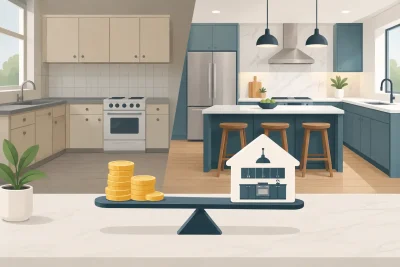
The savings over a new model are usually the first reason buyers start looking, but price is only part of the picture. A good refurbished oven can shorten the payback period on the investment, especially where labour efficiency, reduced cooking losses and menu consistency matter. If your team is already familiar with Rational controls, there is also less training overhead than switching to a different brand or cooking platform.
That said, used does not automatically mean good value. A cheap unit with hidden faults, poor cleaning history or incomplete testing can become expensive very quickly. Service calls, replacement parts and lost trading hours will wipe out any upfront saving.
The starting point is condition, but not just what the oven looks like from the outside. Stainless steel panels can be polished. What matters more is the mechanical and electrical condition, the service history, and whether the unit has been through a proper refurbishment process.
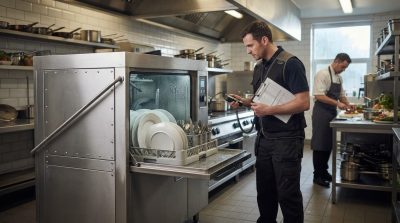
A serious refurbishment should include inspection of key components such as the boiler or steam generation system where applicable, door seals, fan motor, heating elements, control panel, probes, drainage, wash system and internal chamber condition. The oven should then be tested under operating conditions, not simply powered on to show that the screen lights up.
Age and model type also matter. Some buyers specifically want older Rational units because they know the platform and can maintain consistency across several sites. Others prefer newer touchscreen models with more advanced cooking programmes and cleaning functions. Neither route is automatically right. It depends on your menu, staff skill level, expected usage and budget.
Capacity is another common point of error. Buying too small creates a bottleneck during service. Buying too large can increase energy use and waste valuable kitchen space. A 6-grid unit may be ideal for a smaller restaurant or pub kitchen, while a 10-grid or 20-grid oven makes more sense for higher-volume production in hotels, schools and institutional catering.
There is a reason some used ovens are advertised far below market value. In many cases, they have had only superficial preparation before resale. That may mean limited testing, no meaningful parts replacement, poor descaling, or unresolved faults that only appear once the oven is installed and pushed through a busy service.
This is where trade buyers need to be cautious. A combi oven is not a simple piece of kit. If humidity control is inaccurate, if the drain is compromised, or if the wash system is not working properly, the impact shows up quickly in food quality, cleaning time and reliability. You are not just buying metal and electronics. You are buying production capacity.
A proper supplier should be able to explain what has been done to the oven before sale, what testing has been carried out, and what support is available afterwards. If that information is vague, you are taking on more risk than the ticket price suggests.
Not every used Rational oven on the market is refurbished to the same standard. Some are simply second-hand units that have changed hands with minimal preparation. Others have been restored, cleaned, tested and repaired by engineers who know the equipment properly.
That difference matters because Rational ovens are specialist machines. Refurbishment should not be treated as cosmetic work. It should mean the oven has been assessed by trained technicians, worn or faulty components have been addressed, and the machine has been tested for dependable operation before dispatch.
For commercial buyers, this is often the deciding factor. A lower purchase price is attractive, but confidence in the equipment is worth more when service starts and the pass fills up. Island Catering Equipment Co., for example, positions its refurbished Rational stock around technician-led restoration and rigorous testing, which is exactly the sort of process serious buyers should expect from a specialist supplier.
The best used Rational oven is the one that matches your kitchen’s output and working style. A high-volume carvery operation has different demands from a bakery, and a care home kitchen will often prioritise consistency and ease of use over advanced programming depth.
If your menu relies on mixed loads, overnight cooking or repeatable production across multiple dayparts, Rational’s control systems can make a substantial difference. If your team handles regeneration as well as fresh cooking, a combi oven can streamline service while reducing pressure on other equipment.
Gas or electric is another practical decision. The right option depends on site services, running costs and installation constraints. Delivery access, extraction, water treatment and drainage should also be checked before purchase. These are not afterthoughts. They directly affect whether the oven can be installed quickly and run correctly.
A supplier should be comfortable answering direct questions. Ask what refurbishment work has been completed, whether the oven has been tested under live cooking conditions, and what warranty or aftersales support is included. Ask about serial numbers, age, model generation and any known cosmetic or functional marks.
It is also worth asking who will support the oven after installation. If the same supplier can provide servicing, engineer callouts and spare parts, that removes a lot of friction later. Commercial kitchens do not have time to coordinate multiple providers when something goes wrong.
For operators running several sites, standardisation may be part of the buying decision. Keeping the same brand and similar control layouts across the estate can simplify training, improve consistency and reduce user error. In those cases, a used Rational oven often becomes the most cost-effective way to expand capacity without changing operating methods.
The sale is only the start. Even a well-refurbished oven needs correct installation, routine maintenance and prompt support if faults develop. That is why experienced buyers tend to favour specialist suppliers over general traders. The equipment is too important to treat as a one-off transaction.
Regular servicing helps protect performance, particularly on ovens working hard in demanding environments. Water quality, cleaning discipline and usage patterns all affect component life. Buying from a business that understands Rational equipment and can support it properly reduces the long-term ownership risk.
This matters even more for budget-conscious buyers. The financial case for used equipment is strongest when the oven stays productive and dependable over time. A well-priced oven with weak support is not good value. A properly refurbished unit with knowledgeable backup usually is.
There are plenty of situations where a new oven remains the right choice. If you need the latest interface, specific current-generation features, or a manufacturer package tied to a wider project, buying new may be justified. But many kitchens do not need the newest possible model. They need proven performance, sensible pricing and confidence that the oven will do the job day after day.
That is why the used market remains strong. A used Rational oven can give you premium cooking capability, faster return on investment and more room in the budget for other essentials, from refrigeration to extraction and prep tables. The key is buying from a supplier with genuine technical expertise rather than treating all used stock as equal.
If you are weighing up options, focus less on the cheapest advertised figure and more on the standard of refurbishment, the accuracy of the advice and the quality of the support behind the oven. In a working kitchen, those are the details that pay for themselves.


No account yet?
Create an Account