



Did you know that the initial price tag on a new oven often represents just 30% of its total lifecycle cost? It’s a staggering figure when you’re already managing the rising cost of running a commercial kitchen in the UK. We know the stress of watching utility bills climb or dealing with a sudden breakdown that threatens to ruin a perfectly planned service. You deserve to spend your energy on the joy of creating memorable meals, not on the frustration of high repair bills and unexpected downtime.
This guide is here to help you reclaim your margins and ensure your kitchen runs as smoothly as a well-timed banquet. We’ll show you how to slash energy waste with smart gear like the Rational iCombi Pro and explain the impact of the 2026 A2L refrigerant mandates on your refrigeration. You’ll learn how proactive maintenance can turn your equipment into reliable assets that deliver a clear return on investment. If you ever need a hand picking the right kit or need a repair, ring us on 01983756628 and we’ll sort it quick for you.
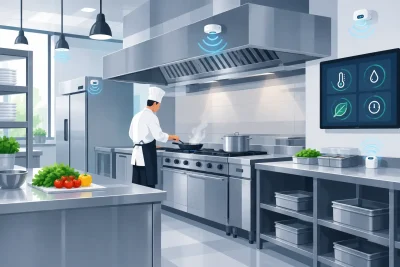
When we look at the total cost of running a commercial kitchen, we’re tracking the pulse of your culinary operation. It’s much more than just the rent. True running costs are the combined total of your utilities, daily consumables, preventative maintenance, and the labour needed to keep the wheels turning. In the UK, energy costs typically represent 3% to 5% of a full-service restaurant’s total revenue. Since kitchens use five to seven times more energy per square foot than other commercial buildings, efficiency is your best friend. Cooking equipment alone accounts for about 40% of this energy use. By 2026, smart equipment is no longer a luxury; it’s a necessity for protecting your profit margins.
To better understand the financial landscape of setting up and operating your space, watch this helpful video:
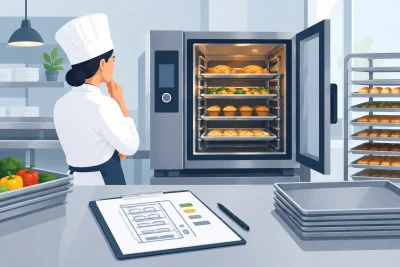
A traditional range is a kitchen classic, but it often bleeds heat into the room. This forces your extraction and cooling systems to work twice as hard to maintain a comfortable temperature. Switching to a Rational oven like the Rational iCombi Pro can drastically reduce this drain. These units are engineered to slash energy and water consumption by finishing dishes faster. Shorter cook times mean your fans run for less time, saving you money on every plate. For those starting out, kitchen incubator models offer a way to share these utility burdens, but for a dedicated site, investing in high-performance assets is the way forward.
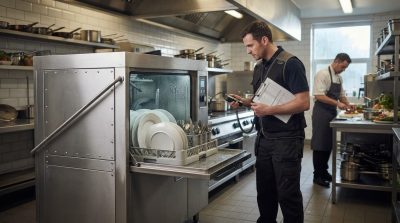
Managing the daily cost of running a commercial kitchen also means looking at your water and chemical spend. Modern commercial warewashing units from brands like Hobart and Winterhalter are designed to dose detergents with pinpoint accuracy. This prevents chemical waste and ensures a sparkling finish for your guests. We always recommend using high-quality cleaning tablets because they prevent scale build-up. This simple step stops expensive, unplanned descaling visits from engineers. If you’re worried about your utility bills, ring us on 01983756628 and we’ll help you find a solution that’s sorted quickly for you.
A sudden breakdown during a busy Saturday service is every chef’s nightmare. Beyond the immediate stress, repairs play a massive role in the total cost of running a commercial kitchen. Industry data shows that maintenance costs average around 1.5% of total sales, yet many operators wait for something to snap before calling an engineer. While the purchase price is only about 30% of an appliance’s lifecycle cost, the remaining 70% is heavily influenced by how well you protect that asset. We love helping kitchens stay open and profitable, so if things do go wrong, ring us on 01983756628 and we’ll sort it quick for you.
Choosing a planned preventative maintenance (PPM) contract is almost always more cost-effective than reactive repairs. An emergency call-out often carries a premium, but the “hidden” costs are even more damaging. You face lost covers, wasted stock that spoils in a broken fridge, and the morale hit to a frustrated team. To keep your insurance valid and your kitchen safe, always ensure your engineers are Gas Safe and electrically certified. If you’re looking for professional maintenance support, we’re always here to help you plan ahead.
A standard PPM visit is a thorough health check for your most hard-working kit. It typically covers deep cleaning of internal components, thermostat calibration, and checking door seals on refrigeration. Regular servicing can extend the lifespan of your equipment by 3 to 5 years. This delay in “replacement” costs keeps more capital in your business for longer. It’s a simple way to transform an unpredictable expense into a manageable, fixed operational cost.
When a part does fail, the temptation to buy cheap, generic alternatives is high. However, using genuine catering equipment spare parts UK ensures your warranty remains intact and the machine runs at peak efficiency. Keeping critical spares like door gaskets or common fuses on-site can be a lifesaver. It could save you an emergency call-out fee, which often exceeds £200 before any work even begins. Investing in the right parts today prevents the sting of a much larger bill tomorrow.
If a brand-new price tag feels out of reach, reconditioned commercial catering equipment offers an incredible middle ground. We take great pride in our refurbishment process. Every unit is stripped down, thoroughly cleaned, and tested by experts to ensure it performs just like a new model. It’s a smart way to get professional-grade reliability while keeping your initial investment manageable.
Buying new gives you access to the latest tech and a full manufacturer’s warranty. It’s often the best route for established sites with high volume. However, for growing businesses, reconditioned Rational ovens are a game-changer. You get the world-class precision of a SelfCookingCenter at a fraction of the cost. It’s a proven way to scale your capacity and maintain culinary excellence while keeping your bank balance healthy.
Avoid the common mistake of over-speccing your space. Research shows that 42% of restaurant owners regret at least one major equipment purchase, often because the kit is too big or complex for their actual needs. Don’t buy a 20-grid oven if a 6-grid fits your menu. Building a kitchen that grows with you is about being realistic and choosing tools that match your specific vision. Ring us anytime on 01983756628 for a friendly chat about your needs. We’re always ready to help you find the perfect fit and sort it quick for you.
We’re here to make the operational side of your business feel effortless. With our certified Gas Safe and electrical engineers, thousands of spare parts in stock for immediate dispatch, and reliable UK-wide delivery, we have everything you need to stay cooking. Ring us on 01983756628 to sort your kitchen costs quick! Whether you’re looking for a new fryer or need a quick repair, we love hearing from you and are ready to help. Let’s build a kitchen that creates lasting memories and healthy profits together.
The hourly cost depends on your oven’s power rating and current UK energy tariffs. For example, a high-efficiency combi oven running at full capacity might use between 10kW and 18kW of electricity. If you’re paying a standard commercial rate, this can add up quickly over a long shift. Using smart technology like the Rational iCombi Pro helps keep these figures lower by reducing pre-heating times and using intelligent sensors to cook more efficiently.
Gas has traditionally been the cheaper fuel per unit in the UK, but the gap is narrowing as induction technology becomes more efficient. Electric induction ranges transfer about 90% of energy directly to the pan, whereas gas ranges lose a lot of heat to the surrounding air. This extra heat increases the load on your extraction and cooling systems, which raises the overall cost of running a commercial kitchen. Many chefs now prefer a hybrid setup to balance speed and savings.
We recommend a professional service at least every six to twelve months for your hardest-working equipment. High-volume kitchens often benefit from bi-annual checks to prevent the build-up of grease in extraction systems or scale in dishwashers. Regular maintenance is a small investment that protects your warranty and stops small issues from becoming expensive emergency repairs. If you aren’t sure when your kit was last checked, ring us on 01983756628 and we’ll help you get a plan in place.
Cooking equipment is the biggest drain, accounting for approximately 40% of a kitchen’s energy consumption. Refrigeration is another major factor because it runs 24 hours a day, especially with the 2026 A2L refrigerant standards requiring more precise maintenance. Warewashing also adds up due to the combined cost of heating water and the specialized chemicals required for hygiene. Focusing on these three areas is the fastest way to lower the total cost of running a commercial kitchen and boost your profits.


No account yet?
Create an Account